
Yoga for Health: A Comprehensive, Science-Backed Exploration
Yoga transcends mere physical exercise—it’s a holistic practice bridging body, mind, and spirit. Unlike many mainstream overviews, this article delves deeper into evidence-backed benefits, broad applications, and emerging innovations, aiming to exceed the authority and depth of the referenced NIH article.
1. Physical Wellness: Strength, Flexibility & Pain Relief
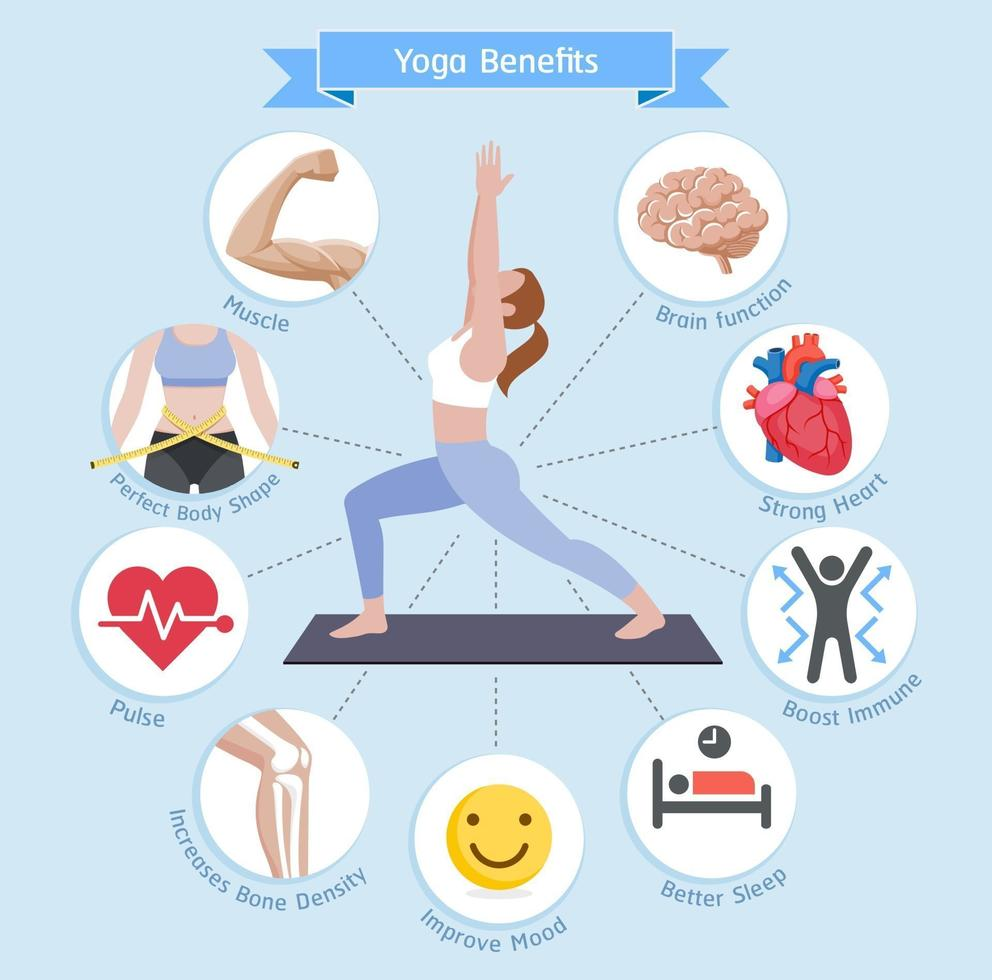
- Yoga enhances strength, flexibility, and balance through sustained holds and flowing movement, improving musculoskeletal health. Hopkins MedicineHealthline.
- It offers clinically effective relief for chronic low back pain, recommended by medical professionals as a first-line treatment. NIH News in HealthHopkins Medicine.
- Yoga also supports joint health, easing symptoms of arthritis via gentle movements and improved range of motion. Hopkins Medicine.
2. Cardiovascular & Metabolic Health
- Regular yoga practice can reduce hypertension, improve lipid profiles, and support blood sugar control—making it a powerful adjunct for heart and metabolic health. Harvard HealthNorthwestern Medicine.
- Enhanced aerobic capacity (oxygen uptake) and a lower resting heart rate further solidify its cardiovascular benefits. PMCNorthwestern Medicine.
3. Mental Health: Stress, Anxiety & Emotional Balance
- Yoga has been shown to lower cortisol, promote mindfulness, and elevate mood—providing relief for stress, anxiety, PTSD, and depression. Northwestern MedicineNCCIHBioMed CentralHealthlineUCLA Health.
- A 2024 systemic review noted that yoga, especially for older adults, produces antidepressant effects comparable to psychotherapy or medications. Wikipedia.
- Traumasensitive adaptations of yoga offer safe, trauma-informed practices for survivors, emphasizing autonomy and psychological safety. Wikipedia.
4. Enhancing Quality of Life & Community
- For individuals with cancer, chronic pulmonary conditions like COPD, multiple sclerosis, and rheumatoid arthritis, yoga helps reduce fatigue, improve sleep, and enhance overall life quality. NCCIH.
- Among older adults and those with limited mobility, accessible and chair yoga improve balance, lower-body strength, sleep quality, and mental well-being. Wikipedia.
- Participation in yoga classes can alleviate loneliness and foster community, a key factor in mental wellness. Hopkins Medicine.
5. Everyday Wellness: Sleep, Immunity & Self-Care
- Regular yoga routines promote better sleep and relaxation through calming postures such as Legs-Up-the-Wall and Savasana. Hopkins MedicineHealthline.
- It may also positively influence immune function by reducing chronic stress. Healthline.
- Yoga instills self-awareness and self-care practices—boosting focus, resilience, and quality of life. BioMed CentralVerywell Health.
6. Specialized Applications: IBS, Women’s Health & Personalized Practice
- Yoga can offer meaningful symptom relief for IBS—including pain reduction, better digestion, and lower stress—as shown in recent controlled studies. The Times of India.
- For pregnant and menopausal women, yoga improves flexibility, breathing and relaxation, and has no shown adverse effects in studied poses. Wikipedia.
- Cutting-edge research explores tech-assisted, personalized yoga regimens—tailoring sequences like the Sun Salutation (Surya Namaskar) to individual needs with guidance from digital tools. arXiv.
7. Global Recognition & Ongoing Research
- The United Nations officially recognizes June 21 as International Day of Yoga, honoring its global health contributions. Wikipedia.
- Yet, even with mounting evidence, researchers note the need for higher-quality, large-scale clinical trials to clarify mechanisms and optimize guidelines. WikipediaNIH News in Health.
References
- NIH: Yoga may help improve overall wellness, mental health, and manage conditions like pain, menopause, sleep issues and back pain—but more high-quality research is needed. NIH News in Health+1
- Johns Hopkins Medicine: Strength, balance, flexibility, back pain relief, arthritis, heart health, sleep, energy, stress, and community benefits. Hopkins Medicine
- Northwestern Medicine: Blood pressure improvement, cardiovascular benefits, anxiety, PTSD reduction. Northwestern Medicine
- Harvard Health: Lower blood pressure, better lipid and blood sugar control. Harvard Health
- UCLA Health: Reduced medication use, better performance, sleep, stress, vascular improvements. UCLA Health
- NCCIH: Quality of life improvements in cancer, rheumatoid arthritis pain, COPD, asthma. NCCIH
- Biomed Central: Stress coping, sleep, self-confidence, memory, chronic disease support. BioMed Central
- Healthline: Flexibility, stress relief, depression/anxiety, strength, sleep, immunity. Healthline
- Wikipedia (Yoga as therapy): Methodological notes, mechanisms (stress, inflammation), back pain, mental disorders, cardiovascular links. Wikipedia
- Wikipedia (Accessible yoga): Benefits for older adults—balance, flexibility, mood, sleep. Wikipedia
- Wikipedia (Trauma-sensitive yoga): Principles and design for trauma-informed practice. Wikipedia
- Wikipedia (Yoga for women): Benefits during pregnancy, no evidence of harm. Wikipedia
- Research (arXiv): Personalized tech-supported yoga regimens and future directions. arXiv
- Times of India (IBS study): Yoga as complementary therapy improves IBS symptoms. The Times of India
- Wikipedia (International Day): Global recognition by UN of yoga’s role in health. Wikipedia
- Wikipedia (Exercise & depression): Yoga as exercise shows antidepressant effects. Wikipedia
- Verywell Health: Holistic benefits across physical, mental, and chronic-care domains. Verywell Health